James Camakaris
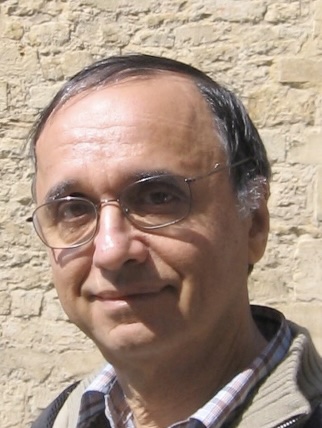
1946 - 2025
Written by Helen Camakaris and Julian Mercer
Biographical Details
Jim was born on March 2nd 1946 in Lebanon, of Greek parents. His father, Athanase, was born on the island of Milos around 1890, and spent many years in Turkey, near Cappadocia, fleeing to Lebanon during the 1923 exchange of Greeks and Turks. His mother, Katerina, was born in Tsagarada in Greece, until her family moved to Lebanon. The family, including James and his two older brothers, moved to Melbourne in 1950.
Education
Jim attended University High School, with the support of a Daffyd Lewis Scholarship, and completed a BSc (Hons) in 1968 at the University of Melbourne. This was followed by a PhD under the supervision of Professor Jim Pittard, in the Department of Microbiology and Immunology in 1973. During his undergraduate course, he was fortunate to work with Professor David Danks on a vacation studentship at the Genetics Research Unit RCH, which ignited his interest in genetic diseases.
Scientific and Academic Career
Jim’s first Postdoctoral position was with Professor Donald Metcalf at the Walter and Eliza Hall Institute of Medical Research, where he worked on the purification of GM-CSF, a cytokine that has since been used globally to alleviate adverse side-affects in cancer chemotherapy. GM-CSF also plays a role in hyperinflammation (cytokine storm) in Covid-19 infections, suggesting possible roles for both GM-CSF and anti-GM-CSF therapies.
Jim’s next appointment, in 1975, was with Professor David Danks at the RCH Genetics Research Unit which later became the Birth Defects Research Institute and finally the Murdoch Children’s Research Institute, where he demonstrated that Menkes Disease was caused by an inherited defect in copper efflux. He then developed a prenatal test for Menkes disease for use in ‘at risk’ pregnancies.
In 1979 Jim became a lecturer in the Genetics Department at the University of Melbourne, whilst remaining a Research Associate and then a Senior Research Associate at the Murdoch Research Institute. Jim continued his life-long interest in copper homeostasis and metallobiology. He worked closely with David Danks and Julian Mercer for decades trying to unravel the mystery of Menkes disease and how copper is regulated in the body. The combined research groups became a recognised world centre for the molecular analysis of copper homeostasis and its disorders. The high point was the identification of the copper-responsive trafficking of the Menkes protein and its role in the transport of copper, made with Mick Petris, one of his PhD students and JM, in 1996. This discovery was made possible by Jim’s inspired idea to select for copper-resistant cell lines, and showing that this resistance was due to increased production of the Menkes protein, allowing increased copper efflux from the cell in response to copper. Jim contributed many other innovative approaches to the study of understanding copper homeostasis and the role of metals, with twenty-nine postgraduate students completing their PhDs under his supervision, alongside fifty-one students completing their BSc (Hons) research year. This resulted in the publication of 131 peer-reviewed papers and eight invited Chapters. He was also a member of the Editorial Board of the Journal of Biological Chemistry (USA) for five years, and served on many scientific committees. He served as Head of the Department of Genetics from 1999 to 2004, and became a Professor in the Department in 2006.
In 2006 Jim became an Honorary Principal Research Fellow at the Mental Health Research Institute, and when he retired from his position in the Genetics Department he became a member of the Florey Institute of Neuroscience and Mental Health where he continued to contribute to studies on the role of copper in neurodegenerative diseases, particularly Alzheimer’s disease, until his unexpected death in 2025.
Awards
In 2000, Jim was awarded the Australian Institute of Nuclear Science and Engineering Gold Medal for Excellence in Research. In 2007, he gave an invited lecture to the public in the Dean’s lecture series at the University of Melbourne. At the Biometals 2008 international meeting (Spain), he gave the keynote lecture of the conference and was awarded the Igor Stojiljkovic International Biometals Society award for excellence in Biometals research at the international level. In 2016 he was awarded the David M. Danks award for ‘scientific achievements in basic and/or clinical research related to copper metabolism and disease’. This international award is made every two years, and was presented at the 10th International Copper Meeting in Sorrento, Italy, in September 2016.
Family and Retirement
In 1972 Jim married Helen, a fellow scientist, and they lived for some time in Ormond College as Tutors and Directors of Studies for Postgraduate Students. They enjoyed the company of fellow postgraduate students, and other Tutors and Visitors in the Senior Common Room, notably Sir Mac Burnet and visiting scholars. They developed a warm relationship with the Master, Davis McCaughey and his wife, Jean.
In 1975 they moved to a terrace house in Carlton, and in 1981, they moved to Eaglemont, with their 5 year-old son, Michael. Their daughter, Catrina, was born in 1984. Jim was a loving and supportive father, and adored his children, and his grand-daughter who was born in 2021. Jim and Helen considered themselves fortunate to have the opportunity to travel, both with their children, and on their own, particularly to Europe where they sought out places in Greece that held significance for Jim. His other interests were following current affairs, films, reading and following the Hawks, his beloved footy team. He remained a steadfast partner in Helen’s retirement occupation of writing popular science, addressing the existential risks facing mankind.