TENS (transcutaneous electrical nerve stimulation) can help your child or young person effectively manage and prevent pelvic pain. This is a non-invasive, safe treatment that can be used throughout the day.
Fast facts
- A TENS machine is a device that can help manage pain.
- It uses small electrical pulses delivered through pads on the skin.
- It should feel like a gentle tingling sensation.
- Most people can buy a TENS machine without a prescription.
- A TENS machine is often used as one part of a broader pain-management plan.
What is a TENS machine?
.jpg "A photo of a TENS machine for at home use")
Image of a TENS machine.
Transcutaneous Electrical Nerve Stimulation or TENS is an effective and non-invasive treatment for pelvic pain relief. A TENS machine is a small device that delivers gentle, battery-driven electrical signals to the skin. Sticky patches known as electrodes
are placed on the skin, and the electrical signals are delivered through these.
TENS machines are a safe and evidence-based option for pain management. The device can help to both manage and prevent pain.
How does a TENS machine work?
- Much like rubbing our arm straight after a knock to the funny bone, TENS works by stimulating touch receptors in the parts of our body that feel sore.
- The stimulation from the device can trigger our body to release natural painkillers known as endorphins.
- A TENS machine doesn’t numb pain, but it can reduce how strongly pain signals feel.
The great thing about a TENS machine is that your young person can put it on and go about their day, wearing it for hours at a time. In contrast, constant rubbing or holding a heat pack for this long can get very exhausting and is not practical.
Some people use a TENS machine on its own, while others use it alongside medication, exercise and other pain management strategies. TENS can be a very useful tool in managing a complex pain problem.
How to use a TENS machine
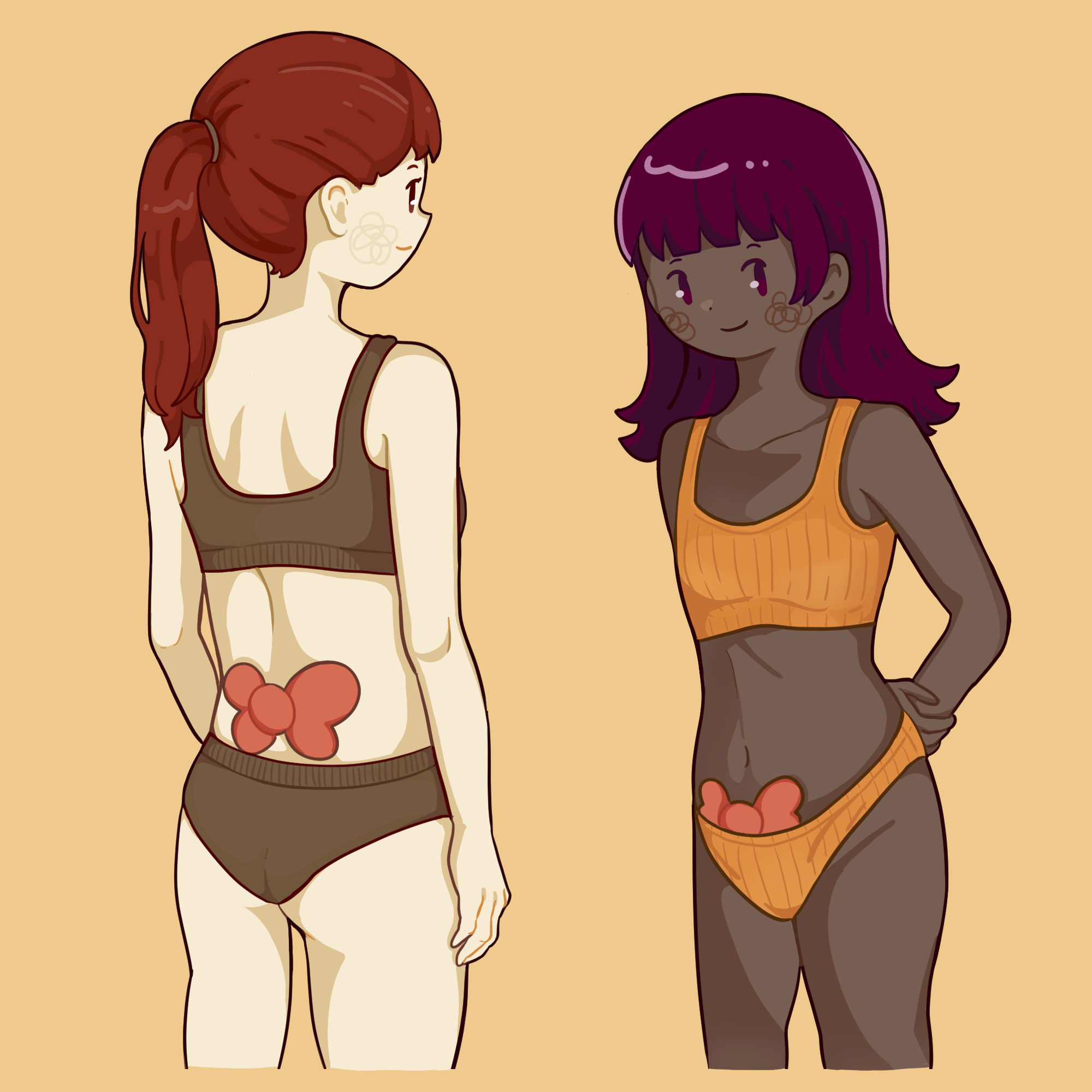
During a pain flare-up, a TENS machine can be used on most parts of the body. Your young person can place electrodes directly over the area of pain, for example, their stomach or lower back. They can also change the duration and intensity of the stimulation.
What does a TENS machine feel like?
Using a TENS machine for pain relief may feel like a ‘tingling’ or ‘massage-like’ sensation. Using TENS itself should not cause them any discomfort.
When to use a TENS machine
- Your young person can use a TENS machine any time to help prevent pain, and also during pain flare-ups.
- Most people like to use a TENS machine for 20 to 30 minutes at a time, but your young person can use it for longer if they prefer.
- TENS is safe to use every day — however, it’s important to remember to change the electrodes regularly, as they lose their stickiness after a while.
When not to use a TENS machine
A TENS machine won’t work for everyone and there are some people who shouldn’t use one. If you and your young person are not sure, check with your doctor or pelvic pain physiotherapist first.
Your young person shouldn’t use a TENS machine:
- If they have a cardiac pacemaker, defibrillator, or another implanted electronic device
- On areas of active skin lesions, such as a rash, active dermatitis, eczema, or broken/infected skin
- On their head, the front of their neck or their chest
- When they’re in the shower, bath, or near liquid of any kind
- On any areas where they might have internal bleeding from an injury.
TENS is safe to use during a period.
Where can you get a TENS machine?
.jpg "A photo of a TENS machine")
Image of a different TENS machine.
- You can buy a TENS machine online and in some pharmacies.
- Many machines are made specifically to help with pelvic pain.
- There are a few different kinds of machines for sale — some have wires that attach the base unit to the electrodes, while others are wireless.
- Prices are different depending on the type of machine and its features.
- If you’re unsure which is right for your child, speak with your doctor or a pelvic health physiotherapist.
When to get help
It’s important to get help if your young person:
- Needs guidance on how to best use a TENS machine to manage their pelvic pain
- Has any problems going to the toilet, such as urgency, a feeling of being unable to empty their bladder or bowel properly, or leakage of wee or poo.
Your doctor (GP) or pelvic health physiotherapist can help.
Support options